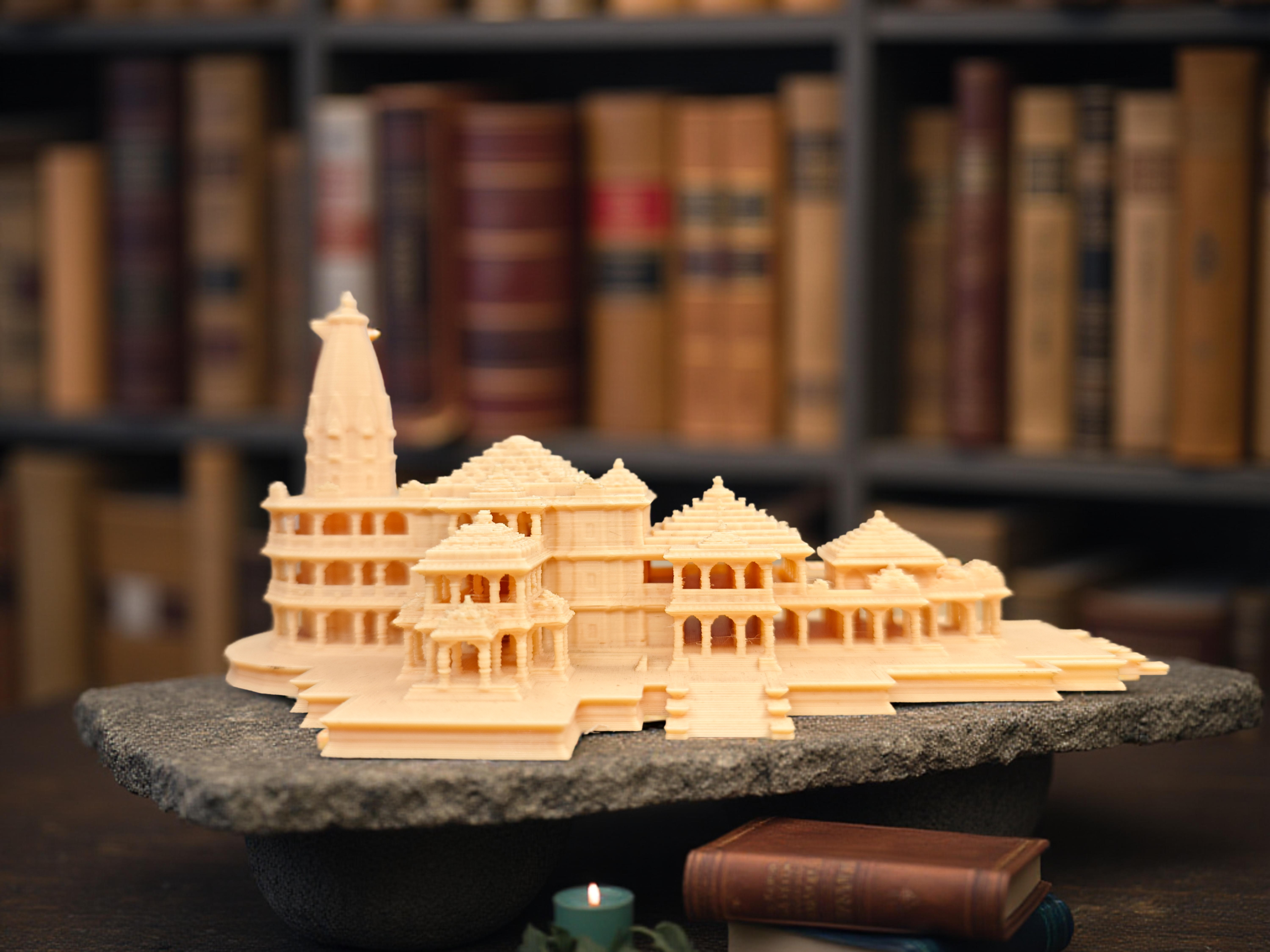
The magnificent architecture of ancient Indian temples showcases intricate details and sacred geometry
The architecture of Indian temples is not merely about creating a space for worship; it’s an intricate art form that combines sacred geometry, cultural symbolism, and divine mathematics. Each element of a temple’s design serves a specific purpose, creating a harmonious connection between the earthly and the divine.
The Fundamental Elements of Temple Architecture
Basic elements of traditional temple architecture
Every traditional Indian temple follows a fundamental architectural framework that includes:
- Garbhagriha (Sanctum Sanctorum): The innermost chamber where the main deity resides
- Shikhara: The rising tower above the sanctum
- Mandapa: The pillared hall for assembly of devotees
- Pradakshina Path: Circumambulation passage around the sanctum
Sacred Geometry in Temple Design
The design of Indian temples follows precise mathematical and geometric principles known as Vastu Shastra. These ancient texts provide guidelines for:
- Proportions and measurements
- Directional alignments
- Space organization
- Energy flow patterns
Sacred geometric patterns commonly found in temple architecture
Want to Learn More About Temple Architecture?
Explore our 3D temple models and architectural visualization services
Discover Our ServicesRegional Variations in Temple Architecture
India’s diverse cultural landscape has given rise to distinct temple architectural styles:
- Nagara Style: Prevalent in Northern India
- Dravida Style: Characteristic of Southern India
- Vesara Style: A hybrid style found in the Deccan region
Different architectural styles across Indian regions
Modern Interpretation and Preservation
In today’s world, temple architecture faces the challenge of balancing traditional principles with modern construction methods. The use of 3D modeling and digital technology helps in:
- Precise architectural planning
- Heritage preservation
- Detailed documentation
- Educational purposes
Ready to Bring Your Temple Design to Life?
Let us help you visualize your temple project with our expert 3D modeling services
Contact Us Today